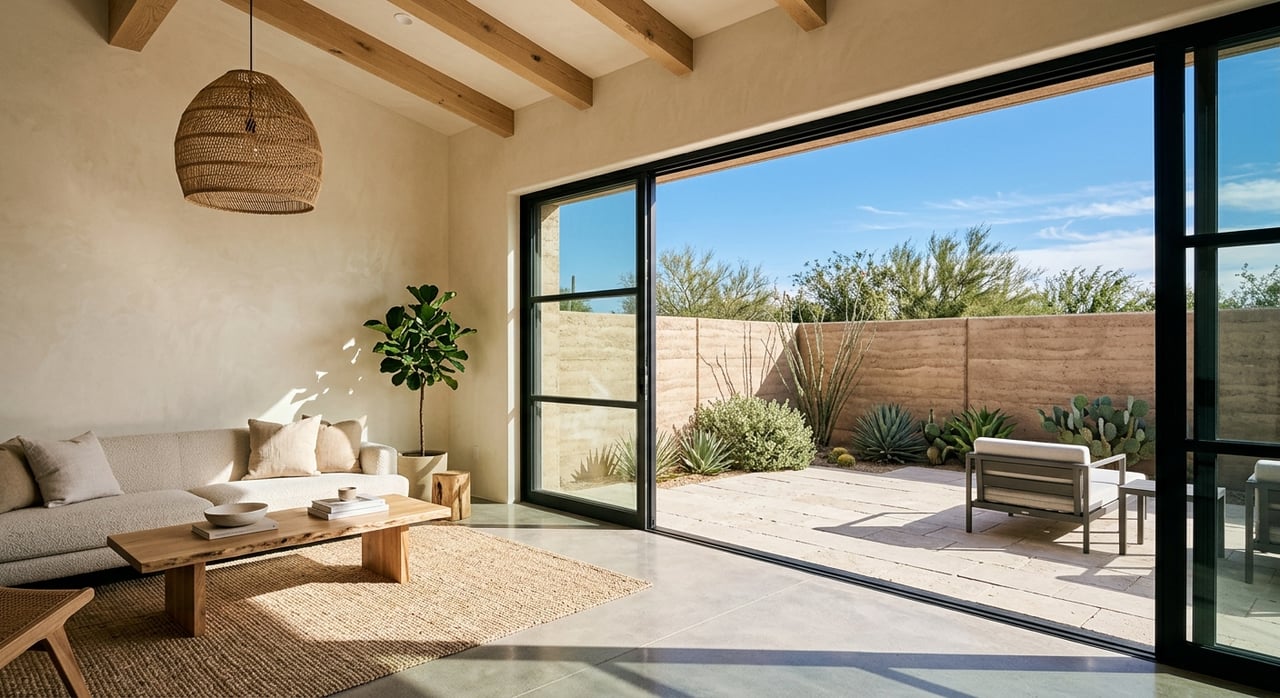
Sedona Luxury Real Estate Market and Buyer Priorities
If you think Sedona luxury is only about a high price tag, think again. In this market, buyers are often paying for a rare mix of red-rock views, privacy, strong design, and a setting that feels deeply connected to the land. If you are planning to buy or sell at the top of the market, understanding what really drives value can help you move with more confidence. Let’s dive in.
Sedona’s luxury segment sits well above the broader Yavapai County market. According to Yavapai County’s March 2026 median-sales update, the 2025 countywide single-family median was $545,000, while the Sedona and Village of Oak Creek median reached $1,080,000, up 8.0% year over year.
That gap matters because it shows how distinct Sedona is from the rest of the county. A practical way to think about luxury here is not by a strict price cutoff, but by homes that sit clearly above the local median and offer standout qualities in setting, design, and livability.
Current listing trends support that view. Redfin’s Sedona luxury-homes page shows 198 luxury homes for sale at a median listing price of $1.3 million, with homes typically spending 62 days on market and receiving about two offers.
That is not a market driven by panic buying. It points to a buyer pool that is active, selective, and willing to wait for the right fit.
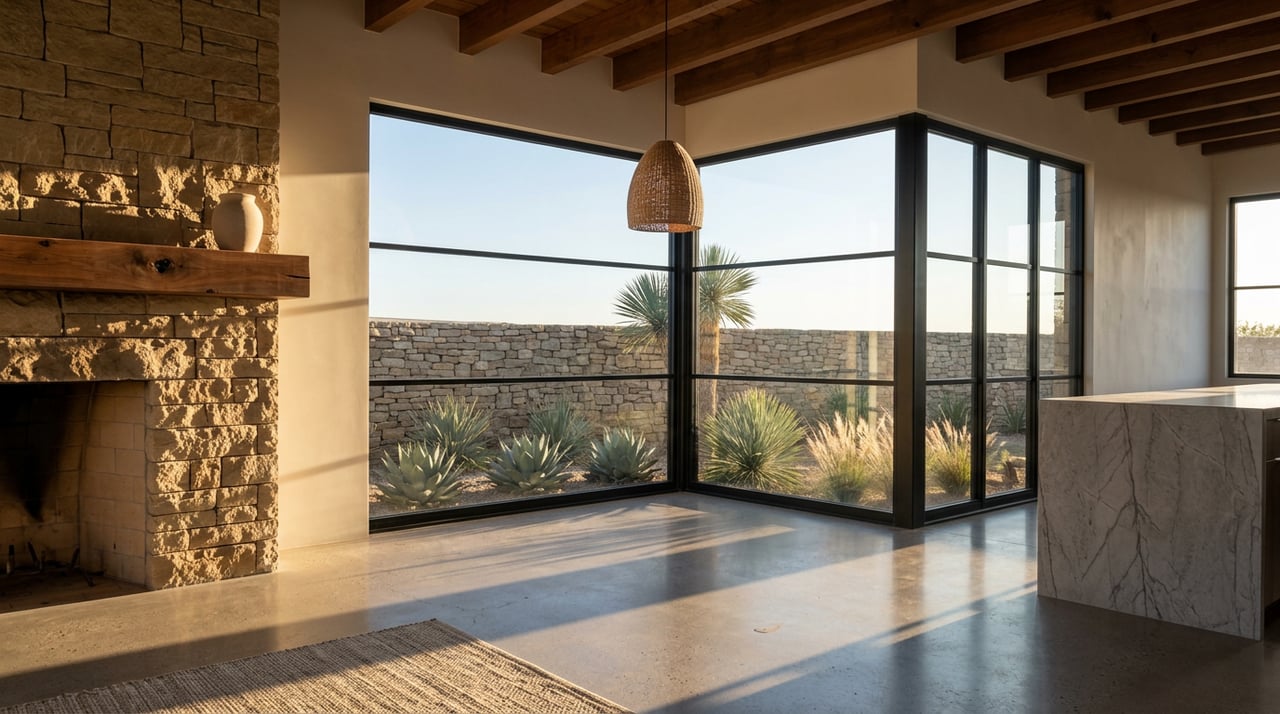
In Sedona, a beautiful view is often the starting point, not the whole story. Buyers also look closely at privacy, security, exclusivity, generous lot sizes, and layouts that make the home feel calm and protected.
That lines up with broader buyer behavior as well. Zillow’s 2025 search data showed rising interest in views, patios, yards, and gated or fenced settings, which suggests that lifestyle and privacy features now carry as much weight as square footage for many buyers.
In practical terms, a home with strong red-rock sightlines but little privacy may not compete as well as a property with slightly different views and a much more secluded feel. In Sedona’s luxury tier, the full experience of the property matters.
Sedona’s Land Development Code is designed to preserve scenic beauty and the city’s sense of place. The code limits building height to protect views and uses standards for screening, fences, walls, and lighting to reduce visual clutter and light pollution.
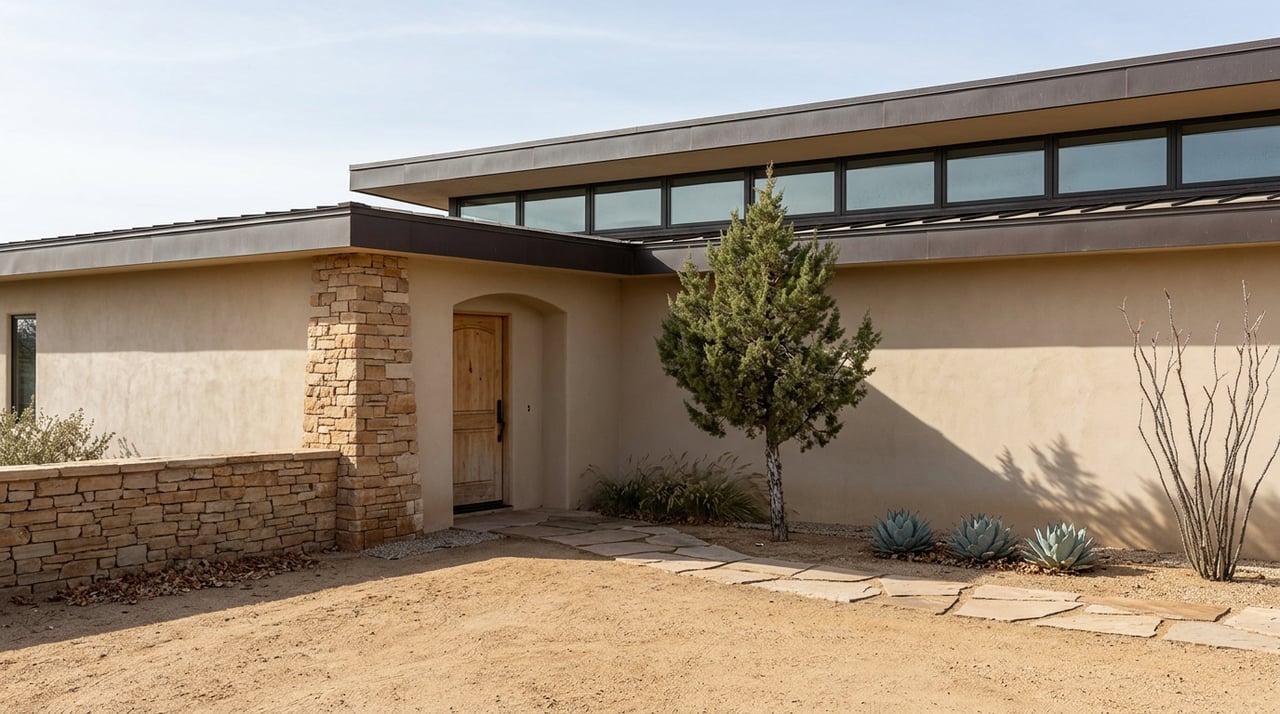
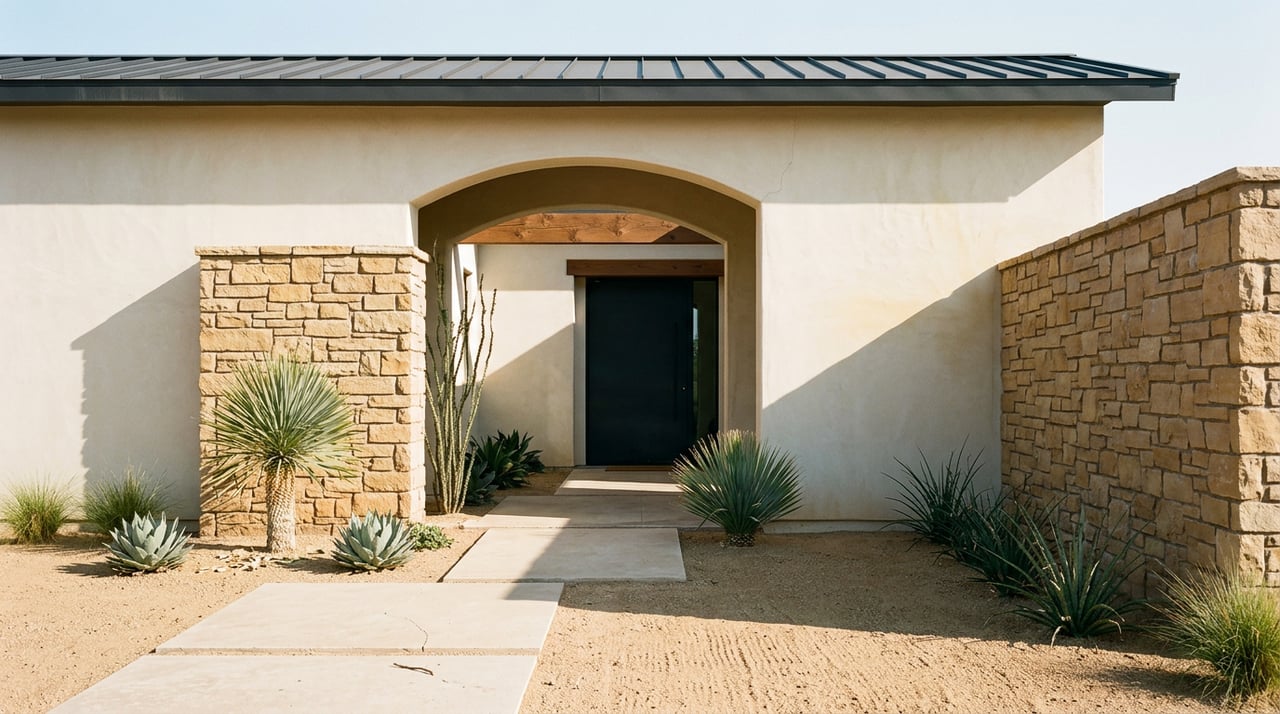
The city also favors colors, materials, and textures that blend into the surrounding landscape. Design standards encourage buildings that reduce apparent size and bulk rather than overpowering the site.
For luxury buyers, this means architecture is not just a style preference. A home that feels integrated with the cliffs, trees, and terrain can read as more luxurious than a larger home that feels out of place.
Lot orientation, topography, and tree cover have a big impact on how a home lives day to day. They shape privacy, control sightlines, and affect how well a property captures views without putting the home on display to nearby roads or neighbors.
Sedona’s planning rules specifically address screening and tree preservation, which reinforces how important the site itself is. In a luxury purchase, the lot is not just where the house sits. It is part of the value story.
That is one reason two homes with similar square footage can feel very different in person. One may offer quiet, shade, and a sense of retreat, while the other may feel exposed despite a strong address.
Sedona’s housing stock is not especially new. The City of Sedona’s draft 2026 housing analysis says only 21% of Sedona homes were built since 2000.
That helps explain why condition, remodel quality, and finish level carry so much weight in the luxury market. Buyers paying seven figures and above often expect updated interiors, thoughtful materials, and a home that feels current without losing its connection to the setting.
Dated finishes can become a bigger issue here than in some newer luxury markets. Even a home in a strong location may face pushback if the design feels tired or if updates were done without a cohesive plan.
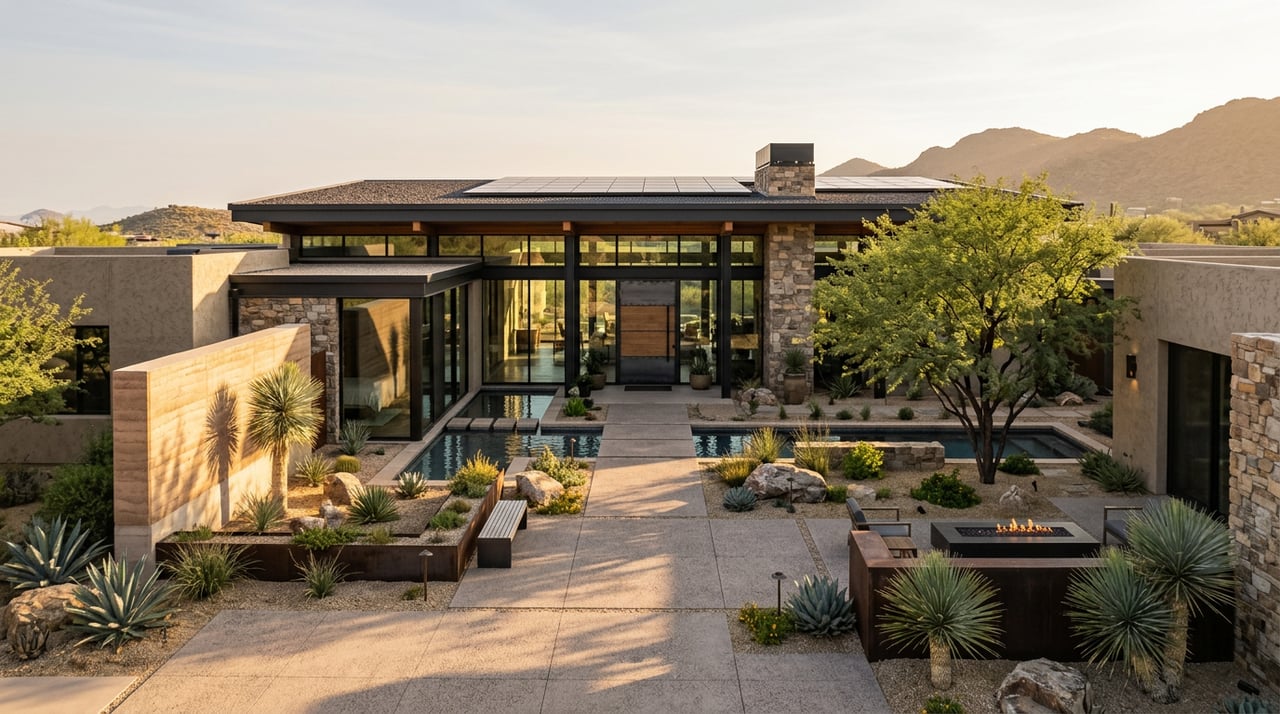
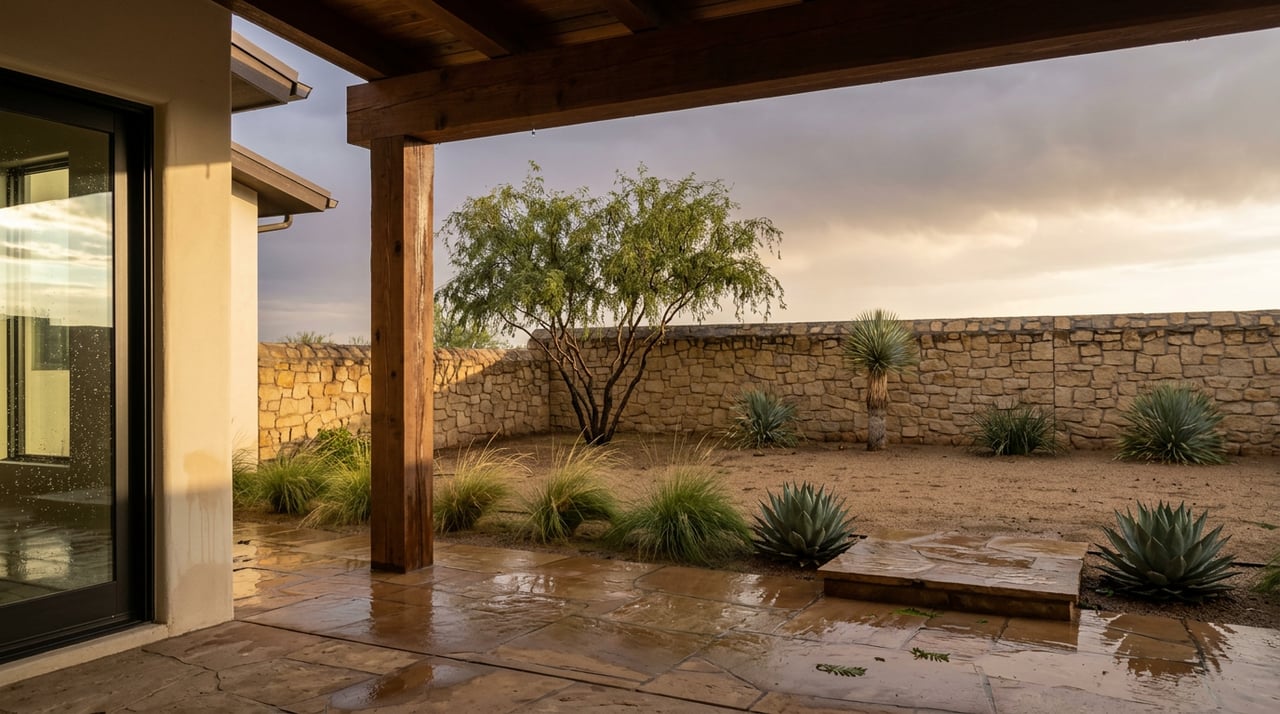
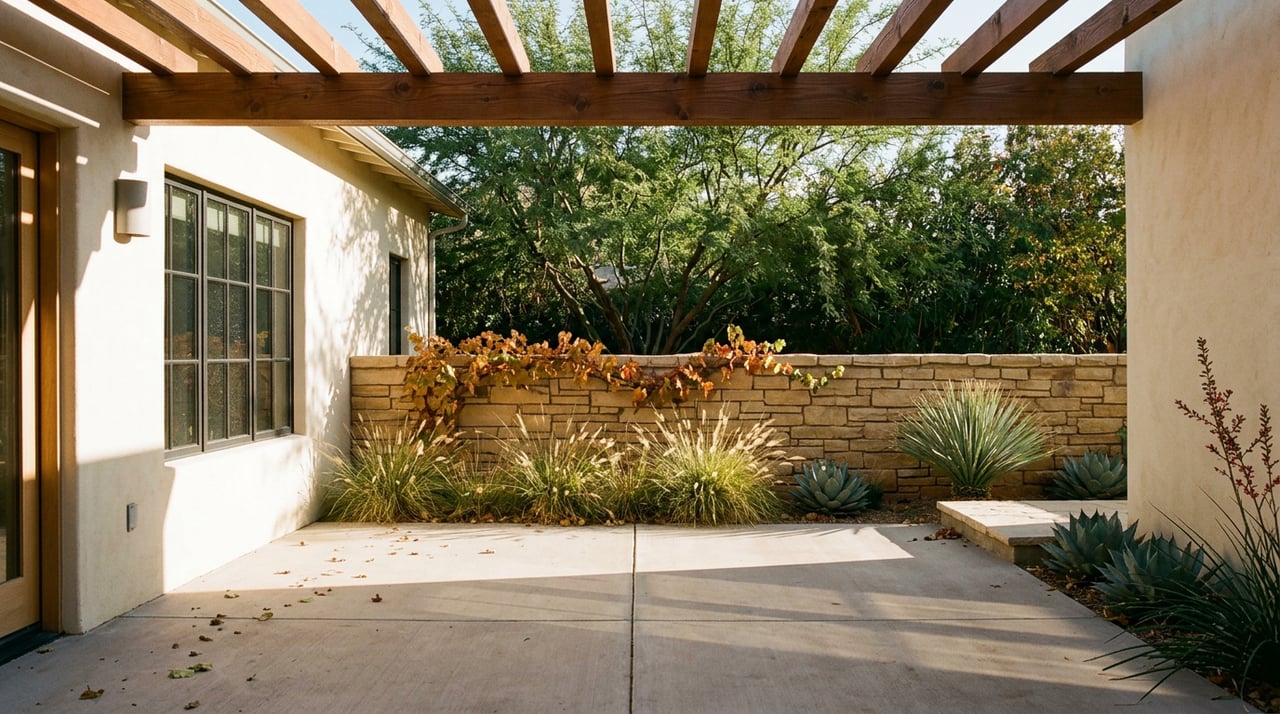
Today’s luxury buyers expect outdoor areas to function as a true extension of the home. Current luxury-market research points to terraces, outdoor kitchens, fire features, pools, and seamless indoor-outdoor flow as essential features rather than extras.
That expectation fits Sedona naturally. Buyers are often drawn by climate, scenery, and the chance to enjoy the landscape every day, so outdoor living has to feel intentional and usable.
A beautiful interior alone may not be enough. Buyers want spaces that let them enjoy sunrise views, evening light, and private entertaining in a way that feels easy and polished.
Luxury-market research also shows that smart-home integration and spa or wellness amenities are increasingly expected in the high-end tier. In Sedona, those features often add value when they support comfort and ease without distracting from the home’s setting.
That could mean integrated lighting, app-controlled systems, or wellness-focused spaces that make the home feel restorative. The key is not just having technology, but using it in a way that supports the lifestyle buyers want.
Luxury buyers in 2025 and 2026 are generally more intentional than urgent. Research from the Institute for Luxury Home Marketing shows a shift toward more data-driven decision-making, with buyers focusing closely on design, condition, and location advantages.
That pattern fits Sedona well. With homes often staying on the market for around 62 days and receiving about two offers, buyers have room to compare options and think carefully about tradeoffs.
This does not mean demand is weak. It means buyers are looking for clear value, and they are usually skilled at spotting where a home justifies its price and where it does not.
In the ultra-high-end segment, cash purchases are common, and national buyer research shows that nearly one in three repeat buyers pay all cash. That often changes the tone of negotiations.
Instead of purely emotional bidding, many luxury deals become value-based conversations about price, terms, certainty, and speed. A strong offer may be the one that creates the cleanest path to closing, not simply the highest number on paper.
For sellers, that means preparation matters. A home with standout design, privacy, and condition may hold its price better, while a property with weaker features may face more pressure during negotiations.
Some of the biggest buyer objections in Sedona luxury are surprisingly consistent. Weak privacy, compromised view corridors, dated finishes, intrusive massing, and a home that feels disconnected from the landscape can all reduce buyer enthusiasm.
These concerns make sense in a market where the setting is such a large part of the value. Buyers are not only purchasing walls and square footage. They are buying an experience of place.
That is why presentation and positioning matter so much. If a home does not clearly communicate its strengths, buyers may focus first on what feels missing.
Luxury sellers should expect a more tailored approach to marketing. Privacy, security, and exclusivity are core priorities for buyers in this segment, so the process often needs more discretion than a standard listing.
In Sedona, the most effective marketing is usually not about making a home look bigger than it is. It is about showing the right details, including views, materials, natural light, site integration, and indoor-outdoor flow.
That approach aligns with Sedona’s own design standards, which value homes that respect the landscape rather than dominate it. The marketing should tell that story clearly.
NAR staging research found that 83% of buyers’ agents said staging made it easier for buyers to visualize a property as a future home. That is especially important in the luxury tier, where buyers often respond to feel and flow as much as features.
Thoughtful staging, strong photography, and clear architectural storytelling can help buyers understand how the home lives. This is particularly useful in Sedona, where subtle details like orientation, window placement, and material texture can strongly influence perception.
High-end homes often include cameras, smart locks, assistants, and app-controlled systems. NAR notes that smart-home devices can create privacy and disclosure questions during showings and negotiations.
For sellers, that means technology should be handled thoughtfully during the listing process. For buyers, it is another reason experienced representation matters when evaluating what comes with the home and how those systems affect the transaction.
At higher price points, the margin for error is smaller. Buyers want help understanding the process, spotting unnoticed features or faults, negotiating contract terms, and improving price, according to NAR research.
Sellers, meanwhile, often choose agents for help with marketing, pricing competitively, and meeting a target timeline. Experience, trustworthiness, and reputation remain top reasons people choose representation.
In Sedona, local insight adds another layer. Luxury value is tied so closely to views, privacy, design, and lot quality that market knowledge can shape everything from pricing strategy to negotiations.
Whether you are buying a second home, selling a luxury retreat, or comparing properties from out of state, clear guidance can make the process feel far more manageable. That is especially true in a market where subtle differences can have a major impact on value.
If you want a grounded view of Sedona’s luxury market, local context matters. Connect with Martin de Bókay for strategic guidance on buying, selling, or evaluating high-end property in Sedona and the Verde Valley.


Get assistance in determining current property value, crafting a competitive offer, writing and negotiating a contract, and much more. Contact me today.