Buying Land in Camp Verde, AZ – Local Buyer’s Guide
Thinking about buying land in Camp Verde? In the Verde River corridor, details like wells, septic, floodplains and road access can make or break a deal. You want a clear plan that helps you spot value, avoid costly surprises and move from offer to closing with confidence. This practical overview gives you local rules, who to call, and a step‑by‑step checklist tailored to Camp Verde and Yavapai County. Let’s dive in.
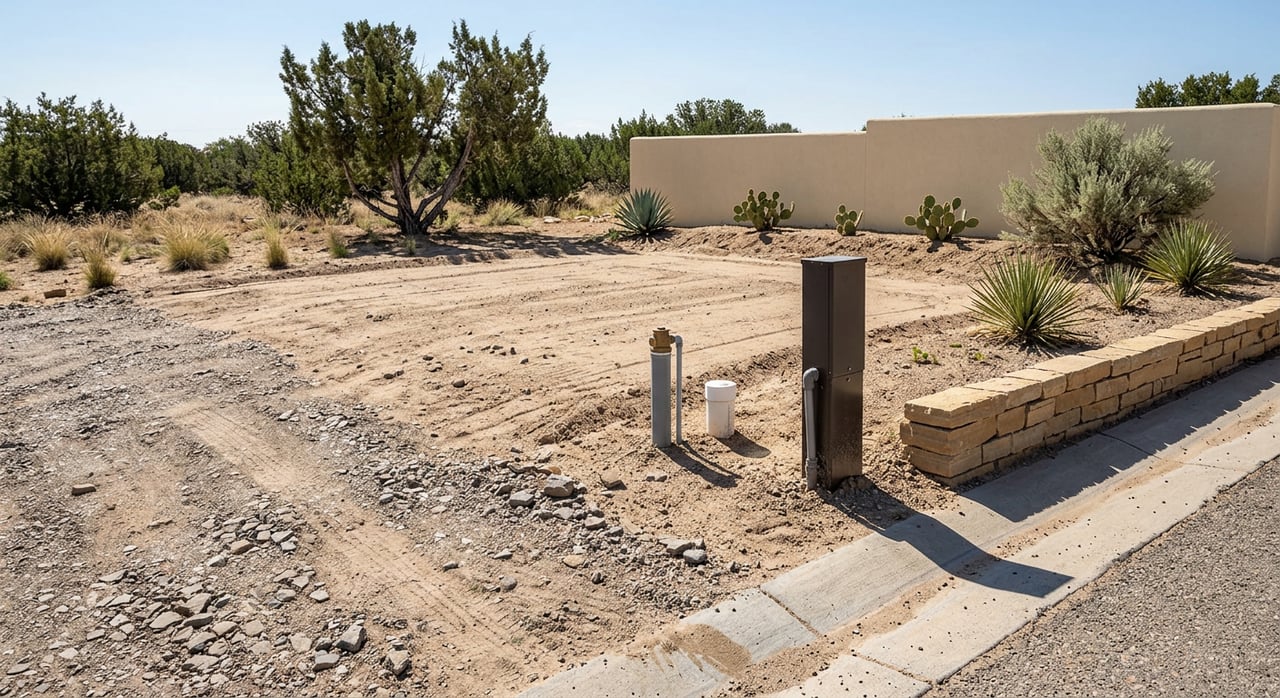
You will see a wide mix of parcels. Inside town limits, smaller in‑town lots often sit near municipal water or sewer. In the county areas, you will find rural residential lots, ranchettes and larger ranch tracts that rely on wells and septic.
Expect pricing to vary by size, location and infrastructure. Parcels with Verde River frontage and with existing utility hookups often command a premium. Before you compare prices, confirm the true development cost of each lot so you are not comparing apples to oranges.
Legal, recorded access is essential for title insurance, financing and permits. Access may be a public road, a recorded easement or a county‑accepted private road. If a parcel is reached by an unrecorded track, lenders and title companies typically require recorded easements and a road maintenance agreement.
Inside town service areas, municipal water comes from local groundwater production wells managed by the Town of Camp Verde. Confirm whether a parcel lies in the town’s service boundary, if a meter is available, and whether tap or capacity fees apply. You can review how the town produces and treats water, including arsenic removal systems at some sites. (Town of Camp Verde Utilities)
Outside town limits, many parcels use private wells. In Arizona, domestic wells that pump 35 gallons per minute or less are considered “exempt,” but they still need to be drilled by a licensed driller and registered with ADWR. Check ADWR maps and the well registry before you assume you can drill, or that an existing well is functional and registered. (ADWR well terminology and permits)
Key questions to ask about water:
Most rural parcels in Yavapai County rely on septic systems. The County’s Environmental Services Unit oversees site evaluations, permits and inspections for on‑site systems. A valid septic permit or a soil and perc test that demonstrates capacity is usually required before you can get a building permit or a certificate of occupancy. (Yavapai County Septic Permitting)
If there is an existing system, ask for the county septic permit history as part of due diligence. If there is no system, budget time and money for soils testing and design. Poor soils or shallow bedrock can trigger engineered or alternative systems, which can be more expensive.
Arizona Public Service is the primary electric utility in Camp Verde. Natural gas may be available in parts of the valley, with many areas using propane. Internet service varies by area, with cable, DSL or fiber in some neighborhoods and satellite or fixed wireless where wired service is limited. The Town’s community resources page offers a helpful starting point on utilities and providers. (Town “New to Town” utilities info)
Bringing power or fiber to a raw parcel can be a major cost. Before you commit, confirm the distance to the nearest transformer or main line, the utility’s extension policy and whether special assessments or improvement districts apply.
Sample questions to ask utilities:
Your permitting path depends on location. Inside town limits, the Town of Camp Verde Planning and Building departments handle zoning verification and building permits. In unincorporated areas, the Yavapai County Planning and Zoning Ordinance controls uses and development standards. Always obtain written zoning confirmation for your intended use before funding or closing. (Town Planning & Zoning) (Yavapai County P&Z Ordinance)
Allowed uses vary by zone. Conditional uses, such as RV parks or some home‑based businesses, may require a use permit or a planned area development. Confirm any HOA covenants or private deed restrictions that may be recorded on title.
The Verde River corridor has mapped flood hazards that affect insurance, buildability and design. Parcels near the river or tributaries may lie in FEMA flood zones or additional county flood layers. Ask the Yavapai County Flood Control District for a parcel‑level flood hazard review and check FEMA and county layers before you release contingencies. (Yavapai County flood map layers)
If the parcel is within a mapped floodplain, you may need an elevation certificate and a site plan that meets floodplain standards. Your surveyor can combine boundary, topography and flood data to inform where you can build and how to mitigate.
The Verde Valley has sensitive archaeological and cultural resources. The Yavapai‑Apache Nation has reservation lands in and near Camp Verde, and recent federal and tribal activity has elevated attention on water and cultural protections along the river. Ground‑disturbing work near sensitive areas may trigger additional review. Early contact with the State Historic Preservation Office and, where relevant, the tribe is a smart step. (Congressional summary of Verde River settlement context)
Seasonal fire restrictions and Firewise practices are a normal part of life in the Verde Valley. Many neighborhoods participate in Firewise programs, and the county promotes slash and defensible‑space efforts. Include brush removal, ember‑resistant design and defensible zones in your site planning and budget. (County Firewise and seasonal updates)
Land loans are different from mortgages on improved homes. Lenders often require larger down payments, charge higher rates and set shorter terms for raw or unimproved land. Improved lots with utilities and road access can sometimes qualify for better terms. Some buyers use construction‑to‑permanent loans to roll the lot purchase and build into one closing when they have a qualified builder and plan. (How land loans work)
Get pre‑approved for the specific lot type you are targeting. Your lender will want to understand whether the parcel is raw or improved, how you intend to use it and your build timeline. A clear usage plan makes underwriting faster and reduces surprises.
Use this list to structure your offer period and keep your team aligned:
Watch for these issues that can delay financing or change your total project cost:
Buying land in Camp Verde can be a great move if you verify the fundamentals early. Start with zoning, access and utilities, then layer in flood, septic and cultural or environmental reviews. With a clean checklist and the right local partners, you can write stronger offers and protect your budget from surprises.
Ready to zero in on the right parcel, run realistic build numbers and connect with trusted surveyors, drillers and lenders? Reach out to schedule a consult with Martin de Bókay for local guidance tailored to your goals.
Get assistance in determining current property value, crafting a competitive offer, writing and negotiating a contract, and much more. Contact me today.