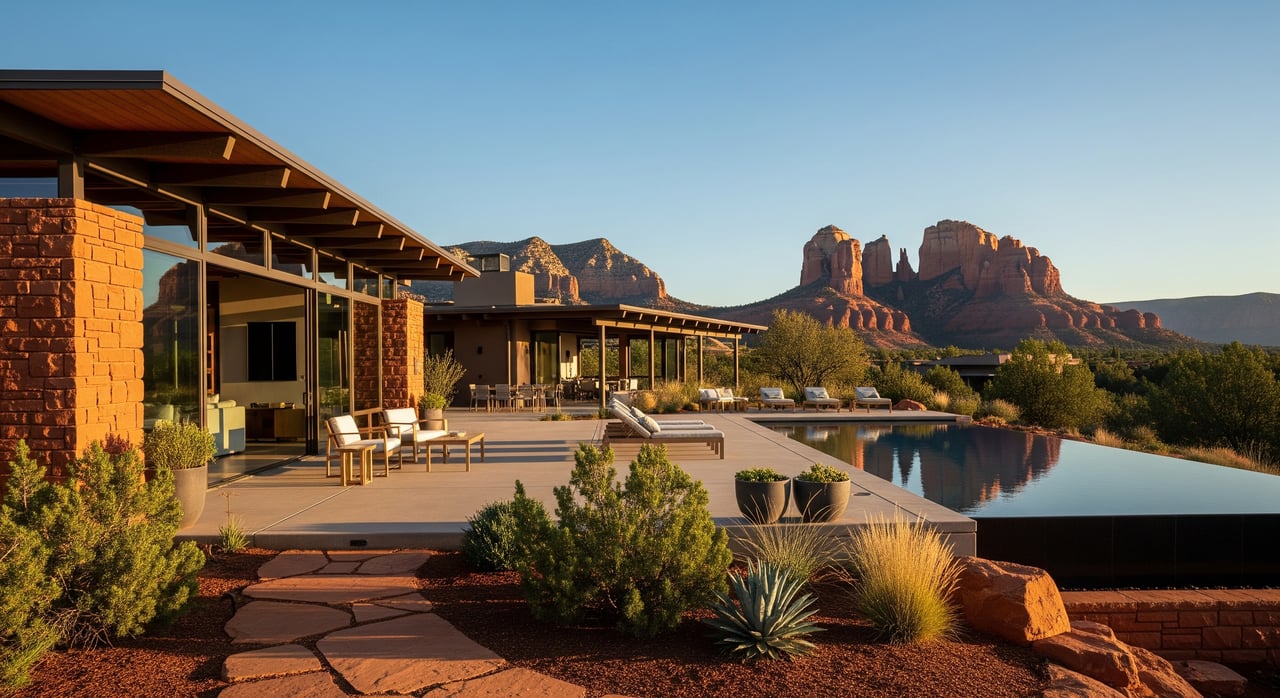
Sedona Second Home Ownership: What Smart Buyers Expect
Thinking about a second home in Sedona, but not sure what ownership really looks like once the views fade into the rearview mirror? You are not alone. Many buyers fall in love with the red rocks and then discover unique costs, rules, and seasonal rhythms that shape how they use and care for the property. This guide gives you a clear, practical picture of what to expect, plus steps to plan with confidence. Let’s dive in.
Sedona attracts second-home owners for lifestyle and investment. You come for the scenery, trail access, arts, wellness, and a mild winter climate. Many owners split time here, plan for retirement, or explore vacation rental income.
You will find a mix of single-family homes with views, townhomes and condos near services, and lots for custom builds. Limited developable land and strong scenic demand keep values above many Arizona markets. Prices vary by views, proximity to popular trailheads, and lot topography.
Sedona’s busiest months are spring and fall. Visitor demand and in-town traffic increase from March to May and September to November, which can support stronger short-term rental performance. Winters are generally mild, and summers bring short, intense monsoon storms. You can preview seasonal flow through Visit Sedona’s tourism resources.
Plan for drive times and occasional congestion. Phoenix Sky Harbor is about 2 to 2.5 hours away, and Flagstaff Pulliam is about 30 to 45 minutes for limited service. Sedona Airport serves general aviation. State Routes 89A and 179 are the main arteries and can slow during peak tourism or after severe weather events.
Set a realistic annual budget before you buy. Core line items usually include:
Sedona straddles Yavapai and Coconino counties. Properties may fall under City of Sedona rules or county authority. Jurisdiction affects permits, utilities, design review, and rental registration. Start with the parcel’s location and review the City of Sedona planning and design standards if the home is within city limits.
Short-term rental rules and enforcement evolve. Many properties require local registration or licensing and collection of transient occupancy and other lodging taxes. Review the current City of Sedona short-term rental rules and confirm county requirements before you underwrite any rental income.
Many communities limit or prohibit short-term rentals. Read CC&Rs early and get written confirmation of allowed uses before you commit.
Some neighborhoods carry elevated wildfire exposure. Create defensible space, consider ember-resistant vents, and choose noncombustible materials where practical. Premiums and availability may hinge on risk reduction, so start with resources from the Sedona Fire District and the Arizona Department of Insurance.
Monsoon rains can produce localized flooding and erosion, especially near washes and Oak Creek. Even if your lender does not require it, flood coverage may be smart. Check your property’s status using the FEMA Flood Map Service Center.
If you plan to host guests, confirm that your policy covers short-term rentals. Many owners add an umbrella policy to increase liability limits.
Reliable local vendors are essential. You will likely work with landscape crews for defensible space, roof and drainage pros, HVAC and plumbing companies, septic providers, and cleaning teams. Specialized trades are in demand, so expect longer lead times for custom or hillside work.
Smart locks, thermostats, security cameras, and leak detectors help you respond quickly from afar. Many insurers view monitoring favorably, and it can reduce surprises between visits.
Hillside sites and view corridors come with design standards that protect Sedona’s landscape. These rules can influence your exterior finishes, massing, and timeline. Review the city’s guidance through planning and design resources before you draft plans.
Some parcels rely on wells and septic. Wells require permitting through the Arizona Department of Water Resources. Septic systems are permitted and inspected at the county level. Factor in pumping schedules, power for pumps, and room for future replacement when you evaluate a site.
Owning a second home in Sedona is rewarding when you plan for seasonality, risk, and rules up front. You do not have to figure it out alone. If you want a step-by-step path to the right neighborhood, property type, rental approach, and local team, connect with a trusted advisor who does this every day. Schedule time with Martin de Bókay for buyer representation, STR strategy, property management introductions, and a seamless remote-owner onboarding experience.
Get assistance in determining current property value, crafting a competitive offer, writing and negotiating a contract, and much more. Contact me today.