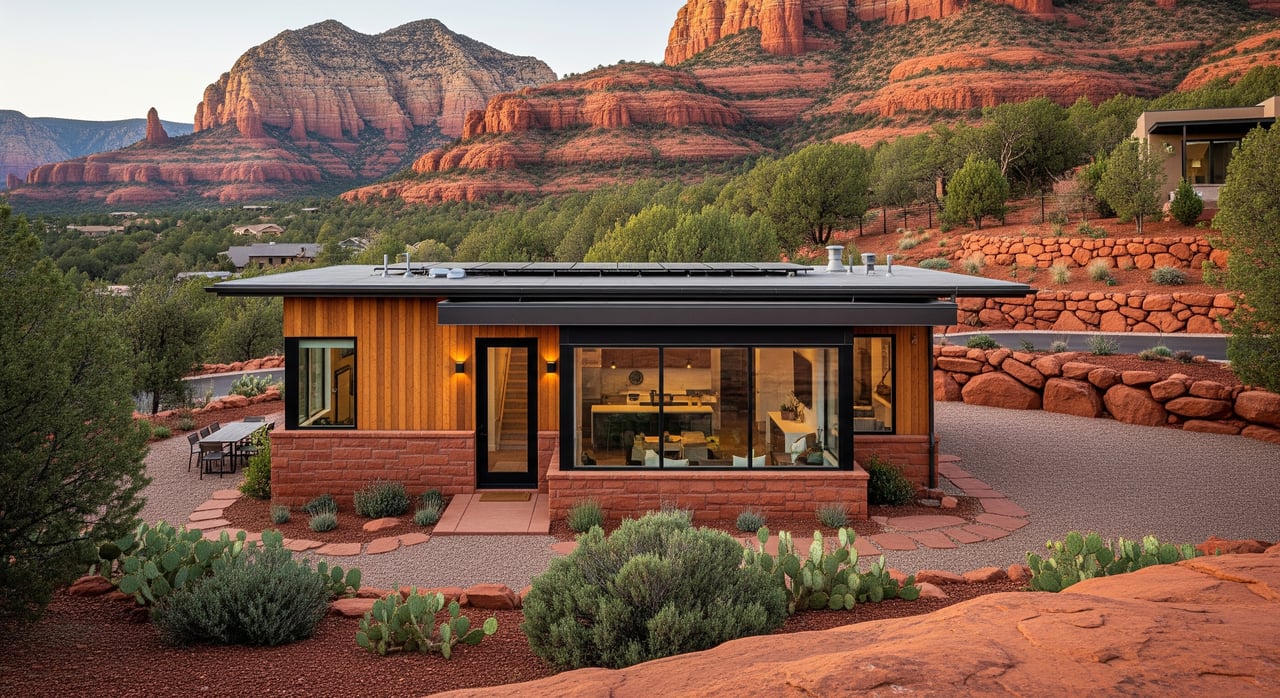
ADU Rules in Sedona: Income Potential & Overview
Thinking about adding an ADU to your Sedona property for extra income or flexible living space? You’re not alone. With high demand for housing and a year-round lifestyle draw, well-planned ADUs can unlock steady revenue or provide space for family and caregivers. In this guide, you’ll get a clear overview of ADU types, who regulates them in Sedona’s Yavapai side, common rules and constraints, realistic rent ranges, and a step-by-step plan to move forward with confidence. Let’s dive in.
An accessory dwelling unit is a smaller, independent home on the same lot as a primary single-family house. It has its own entrance and includes a kitchen, bathroom, and sleeping area. Utilities may be shared with the main home or set up separately.
You’ll see three common formats:
Owners build ADUs for several reasons. You might want rental income, a place for a family member or caregiver, or a flexible workspace. Many owners also see an uplift in overall property value when the project is carefully planned and permitted.
Sedona is unique because the city spans two counties. If your property sits inside Sedona city limits on the Yavapai side, the City of Sedona’s zoning and building codes apply. If your property is outside city limits in unincorporated Yavapai County, county rules apply instead. Always confirm jurisdiction first.
Also check for any HOA or special district rules that may be stricter than city or county standards. If you intend to use the ADU for short-term rental, a separate short-term rental permitting process may apply within city limits. If you are outside the city, county and state requirements still matter for taxes and compliance.
ADU rules in and around Sedona vary by zoning district and parcel. The items below are common categories to review. Your specific lot may have different thresholds or processes.
Confirm whether ADUs are allowed in your zoning district and what size limits or floor-area caps apply. Many places set maximum ADU size by square footage or as a percentage of the primary home. Standard setbacks, lot coverage, and height limits also apply. Most jurisdictions do not allow you to subdivide a lot just because an ADU exists.
Some areas require owner occupancy of either the main home or the ADU. Confirm the rule for your parcel with the city or county planning desk. If you are planning short-term rentals, Sedona has a separate STR permitting program and operational standards within city limits. ADUs may or may not qualify, and occupancy limits, registration, and lodging taxes can apply. If you are outside city limits, confirm county rules and tax obligations.
Sedona places a strong emphasis on design and landscape fit because of the region’s red rock views. If your property falls within a scenic corridor or special overlay, expect added design review steps. Materials, colors, height, screening, and placement can be regulated, which can influence your timeline and budget.
Inside city limits, utility connections and capacity must be verified with the city. Tap fees and meter requirements may apply. In unincorporated areas, many homes rely on septic systems. Yavapai County Environmental Health will evaluate whether your system can handle the added load. If the system is undersized, you may need upgrades or engineering. For wells, confirm supply and any state rules that apply to added demand.
Many jurisdictions require at least one additional off-street parking space for an ADU. The rules on tandem spaces, garage conversions, or driveway width vary, so confirm what counts before you design. Sedona’s topography can also make driveways steeper or narrower, which may require site work or alternative solutions.
Sedona is a wildfire-prone area, so your plan will likely need to address defensible space, ignition-resistant construction, and safe access for emergency vehicles. Insurance carriers may also consider wildfire risk and compliance with local standards, which can affect premiums and availability.
Many neighborhoods have HOA documents that restrict secondary units or limit rentals, especially short-term rentals. HOA rules can be stricter than city or county codes. Always secure HOA approval when required.
ADU budgets and timelines depend on scope, terrain, utility needs, and review processes. Sedona’s steep, rocky parcels and design requirements can elevate costs compared with flatter markets.
Plan for city tap or connection fees if you need to link to municipal water or sewer. Extending or upgrading lines can add significant cost, especially if trenching through rock or across driveways is required. If you are on septic, the county may require testing or system upgrades to support additional bedrooms. Electrical panel upgrades or a new meter may also be needed.
Common cost drivers in Sedona include rock excavation, retaining walls, driveway or access improvements, utility trenching, and wildfire mitigation measures. These line items can materially change your budget, so build a contingency and get multiple bids.
Costs vary widely by ADU type and site complexity. Interior conversions and garage conversions generally sit at the lower end. Ground-up detached units are usually higher due to foundations and separate utility runs. In the Sedona area, expect a premium for hillside work and design conditions.
A reasonable planning timeline includes several months for design and permitting, followed by 4 to 9 months of construction depending on scope, weather, and contractor availability. Start early, and account for review cycles if your parcel is in a scenic corridor or overlay.
Common financing options include cash, HELOCs, renovation loans, portfolio or construction loans, and ADU-friendly bank products. Rental income is taxable, but you can typically deduct allowable expenses such as depreciation, mortgage interest, property taxes, and maintenance. If you operate a short-term rental, plan for lodging tax compliance and added operating costs.
Rents fluctuate with seasonality and market shifts, but you can set expectations using local comps by size and privacy. Detached units with a private entrance and full kitchen tend to command more than internal conversions. Amenities, views, and parking also matter.
Based on recent patterns and regional context, a conservative planning approach for long-term rentals might look like this:
Treat these as estimates to frame your pro forma, not promises. To refine your numbers, pull current long-term rental comps in West Sedona and nearby submarkets, cross-check with local property managers, and adjust for ADU privacy, parking, included utilities, and lease term.
Start with market rent and subtract operating costs to get net operating income. Include management fees, maintenance, utilities you pay, insurance, taxes, HOA fees, and a vacancy factor of 5 to 10 percent. Compare annual NOI to your total project cost to gauge payback. If you are considering a short-term rental, model higher operating costs and confirm eligibility and permitting before assuming nightly revenue.
A successful ADU project in Sedona comes down to two things. First, nailing the rules and site feasibility in your exact location. Second, making the build pencil out for your goals, whether that is steady income or multigenerational living. You do not need to figure it out alone.
If you want parcel-level guidance, rent comps, and introductions to reputable local builders and property managers, reach out. As a Sedona-based advisor focused on both lifestyle buyers and investors across the Verde Valley, I can help you validate the path, shape your pro forma, and connect you with the right team. Schedule your consult with Martin de Bókay to kick off your ADU plan.


Get assistance in determining current property value, crafting a competitive offer, writing and negotiating a contract, and much more. Contact me today.