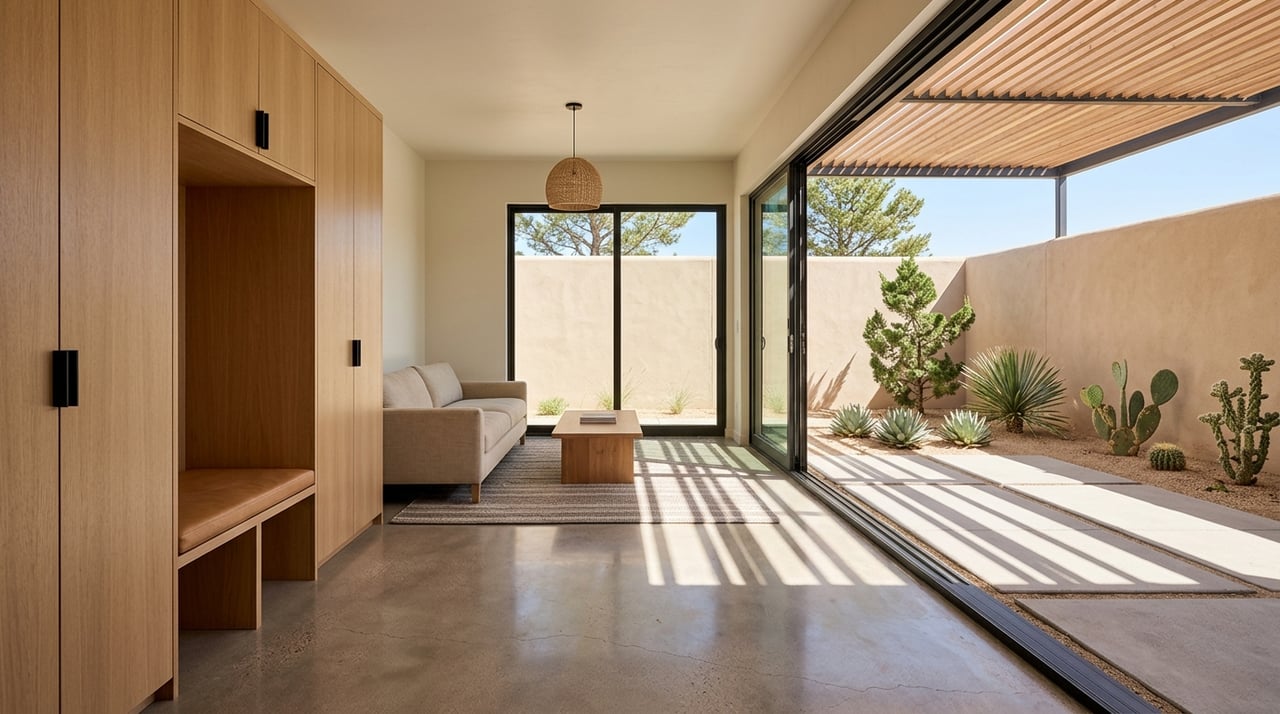
Sedona Retreat Rental Planning for Smart Buyers
Thinking about buying a Sedona getaway that can also help offset costs as a rental? It is a smart idea, but in Sedona, the right property is about more than views and guest appeal. You need a home that fits local rules, supports a smooth guest experience, and still feels like your own place to recharge. Here’s how to plan a Sedona retreat that works well for both personal use and compliant rental use. Let’s dive in.
Sedona stands out because it naturally serves both lifestyle buyers and rental-minded owners. According to Visit Sedona, the local economy is anchored by tourism, hospitality, recreation, retail shopping, and the arts. The area’s red rock scenery, access to 1.8 million acres of national forest, and more than 200 hiking trails all help support year-round visitor demand.
That same appeal also shapes what guests expect. Many visitors come for outdoor access, a quiet setting, and a sense of place. That means the best dual-use homes usually feel calm, private, and easy to enjoy, rather than flashy or built around large gatherings.
Before you compare finishes, floor plans, or views, confirm exactly where the property sits. Sedona spans the Yavapai and Coconino county line, and that matters for taxes and compliance. The City of Sedona currently lists tax rates of 13.325% for Yavapai County parcels and 13.90% for Coconino County parcels.
If you are focused on Sedona in Yavapai County, this step is especially important. Yavapai County says short-term rentals in unincorporated areas are allowed only in permitted habitable structures. So if a listing includes a casita, guest house, or converted space, you will want to verify that it was properly permitted before you count on using it as a rental.
Two homes can look similar online and perform very differently once you review jurisdiction, permit history, and operating rules. A clean setup on paper can save you time, money, and frustration later. For remote buyers, this is often one of the most important early filters.
Sedona does allow short-term rentals, but owners have to follow a clear process. The city requires owners to first obtain an Arizona Department of Revenue transaction privilege tax license and then apply for a City of Sedona short-term rental permit. The city also requires at least $500,000 in liability insurance, owner or designee contact information, emergency contact information, neighbor notice, and the permit number on listings.
Sedona also makes a distinction between a residential short-term rental permit and a commercial business license. A home-style rental follows the short-term rental permit process, while commercial lodging follows a different path. That distinction matters if you are buying a second home and plan to rent it as a dwelling, not as a hotel-style operation.
If you plan to rent the home even one day per year, Sedona says the same permit and tax setup still applies. On the other hand, rentals of 30 days or more do not need a short-term rental permit if the listing shows at least a 30-day minimum stay. That can affect how you model the property’s use from the start.
This is one of the biggest planning points for Sedona buyers. You can absolutely look for a home with peaceful outdoor spaces, privacy, and a retreat-like atmosphere. But Sedona does not allow short-term rentals to be used for special events of any size.
The city specifically lists weddings, wedding receptions, religious events, organized community events, outdoor entertainment, fee-based retreats, conferences, trainings, and workshops as prohibited uses for short-term rentals. State law also bars using a short-term rental as a retail, restaurant, banquet, or similar nonresidential venue.
If your goal is simple lodging in a beautiful setting, many properties can work. If your business plan depends on hosting gatherings or paid retreat programs, the property is not a fit for Sedona short-term rental use. In this market, the right mindset is retreat feel, not retreat event space.
The most useful dual-use homes usually create clear separation between owner space and guest space. Sedona allows several property types as short-term rentals, including single-family homes, one- to four-unit homes, condominiums, townhouses, individual rooms, and guest houses or casitas. Each advertised unit must have its own permit.
That structure makes certain layouts more practical than others. A primary suite tucked away from guest rooms, a lock-off area, a detached casita, or a true guest wing can make a home easier to use for both personal stays and rentals. It also helps the property feel more organized and comfortable when you switch between owner use and guest use.
Storage is easy to overlook when you first tour homes. But in a dual-use property, it can make daily operations much smoother. A dedicated owner closet, secure linen storage, and a place for cleaning supplies help keep the home uncluttered and easy to reset.
This matters because Sedona expects owners to keep properties organized enough to avoid common complaints related to trash, noise, and general upkeep. A home that has practical storage built in is often easier to manage well, especially if you are an out-of-state owner using local support.
In Sedona, these are not minor details. They are part of how a property functions as a compliant rental. The city notes that complaints often involve parking, and guests may not block driveways or neighboring property.
A strong dual-use property should have obvious off-street parking and simple arrival flow. Guests should know exactly where to park without confusion. That reduces friction for them and helps protect your relationship with nearby property owners.
Sedona’s land development approach emphasizes community character, scenic views, and thoughtful site design. Homes with privacy buffers, screening, and outdoor areas that do not spill activity toward neighbors tend to fit the local environment better. This can also make your own stays more relaxing.
Sedona values dark skies, and lighting should reflect that from the beginning. Yavapai County’s current dark-sky guidance calls for shielded, low-light, downward-directed fixtures for many applications. In practice, that usually means subtle exterior lighting instead of bright resort-style illumination.
Sedona’s rules do not tell you which countertop or flooring materials to use. Still, the city’s compliance environment favors homes that are easy to maintain, safe, and tidy. Durable and easy-to-clean finishes can help protect the property without giving up style.
For many buyers, that means choosing materials that hold up well between guest stays and still feel appropriate for a Sedona retreat. Neutral finishes also tend to support a calm, uncluttered look that fits the area’s character.
A good Sedona rental is not just about the house. It is also about how easy the stay feels once guests arrive. Visit Sedona notes that some trailheads require a Red Rock Pass, cell service can be limited, trail parking fills up quickly, and visitors should start early during hot weather.
That means your guest setup should be practical. A clear welcome guide with parking instructions, trail tips, and offline information can go a long way. For out-of-state guests, small details like this can make the home feel much more user-friendly.
Sedona pays close attention to noise, parking, and trash. The city routes complaints through a 24/7 hotline, and noise issues after 10 p.m. may be referred for police follow-up. Quiet hours, trash instructions, and parking rules should be easy for guests to find and follow.
If the property is in an HOA, review the rules carefully. Sedona says HOA rules can still prohibit short-term rentals, and the city does not keep copies of HOA documents. You will need to confirm those restrictions directly during your due diligence period.
Accessory dwelling units also need special attention. Sedona points buyers to an ADU compliance flowchart, and state law allows cities to require owner occupancy for ADUs approved on or after September 14, 2024. In Yavapai County, only permitted habitable structures count for short-term rental use, so permit history matters for any casita, guest house, or similar space.
If you want a Sedona retreat that can also serve as a rental, these are some of the most important questions to answer early:
In Sedona, the strongest retreat-plus-rental properties are not always the biggest or most elaborate. They are usually the ones with clean permit history, enough parking, privacy, thoughtful lighting, and a layout that works for both owner use and guest stays. They feel peaceful, easy to manage, and aligned with local rules.
If you are buying from out of state or comparing several property types, it helps to have local guidance that goes beyond listing photos. The right home should support your lifestyle goals and your rental plan without creating avoidable compliance issues down the road.
If you want help evaluating Sedona properties for personal use, rental fit, and local due diligence, schedule your Sedona investment consult with Martin de Bókay.


Get assistance in determining current property value, crafting a competitive offer, writing and negotiating a contract, and much more. Contact me today.