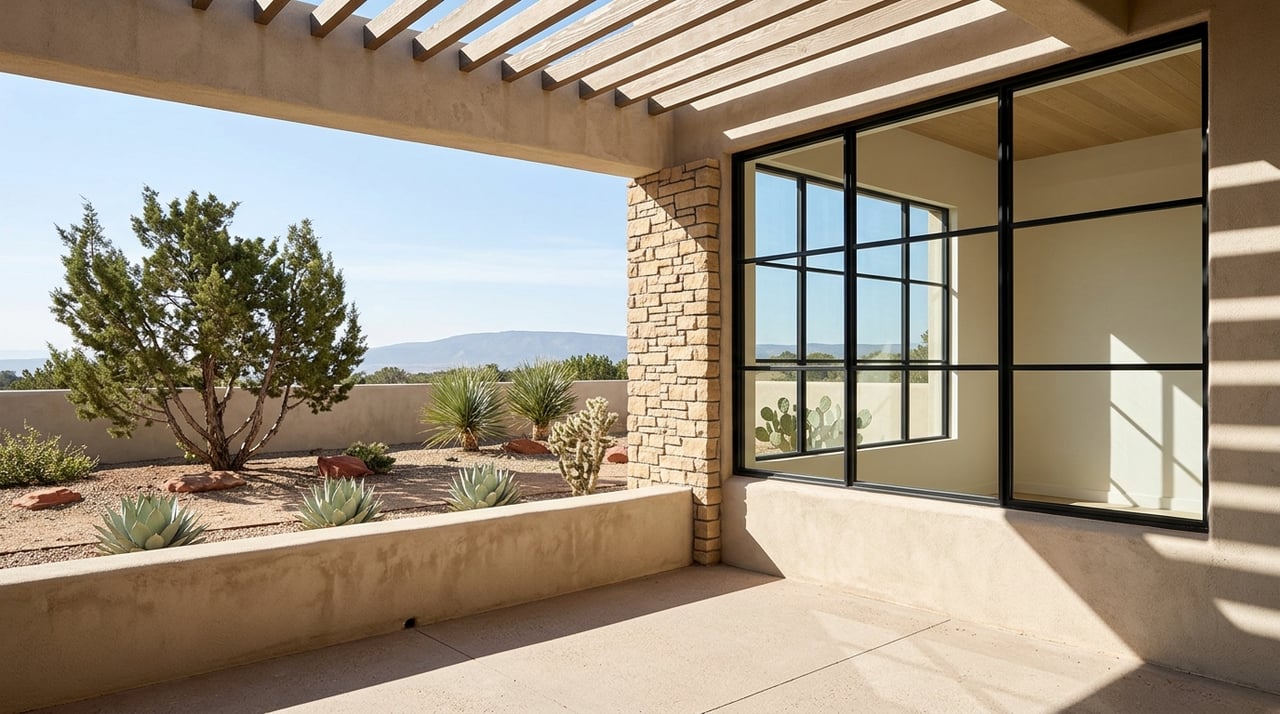
How Views Shape Home Value In Sedona
If you are buying or selling in Sedona, the view is not just a nice extra. It can be one of the biggest drivers of value. In a market shaped by red-rock scenery, protected view corridors, and highly site-specific lots, two homes with similar square footage can perform very differently based on what you can actually see. This guide breaks down how views shape home value in Sedona and what you should pay attention to before you price, buy, or compare a property. Let’s dive in.
Sedona is more view-sensitive than a typical housing market because the area’s identity is closely tied to scenery. The city’s design guidance says development should recognize, preserve, and highlight scenic vistas and viewsheds while minimizing visual impacts on view corridors. It also emphasizes preserving ridgelines, open space, and the Oak Creek riparian corridor.
That matters because it shows views are not just part of marketing language in Sedona. They are part of how the community thinks about place, design, and long-term value. When buyers shop here, they are often paying attention to the landscape as much as the floor plan.
Sedona’s scenic identity is also reinforced by the surrounding routes people know for their views. The Red Rock Scenic Byway and Oak Creek Canyon Scenic Drive both support the idea that Sedona is experienced as a scenic destination, not just a place to live. That tends to make buyers more sensitive to what a specific parcel captures and how durable that view may be.
Current Yavapai County data shows a major premium in Sedona and the Village of Oak Creek. In May 2026, the median single-family sale price in Sedona/VOC was $1,090,000, compared with $550,000 countywide.
That price gap does not mean every Sedona home has the same view value. It does show that the market places a strong premium on this area overall, where scenery plays a central role in buyer demand. Within that broader premium, individual view quality can push values higher or leave a home competing more on condition, layout, privacy, and location.
A view is not priced like a flat upgrade. Appraisal research shows that view value is site-specific, which means the relationship between the lot, surrounding topography, and visible landscape matters more than a simple label like “view home.”
That is why neighboring homes can have very different value even when they seem similar on paper. One parcel may capture broad red-rock exposure from the main living room and deck, while the next home over may have a narrower corridor, more roofline interference, or a view from only one secondary room.
Fannie Mae’s appraisal guidance supports this approach. View and location ratings should be judged on the property’s own merits, not just compared to the rest of the neighborhood. Adjustments should reflect real market reaction and be supported by evidence, not by a generic assumption that any view deserves the same premium.
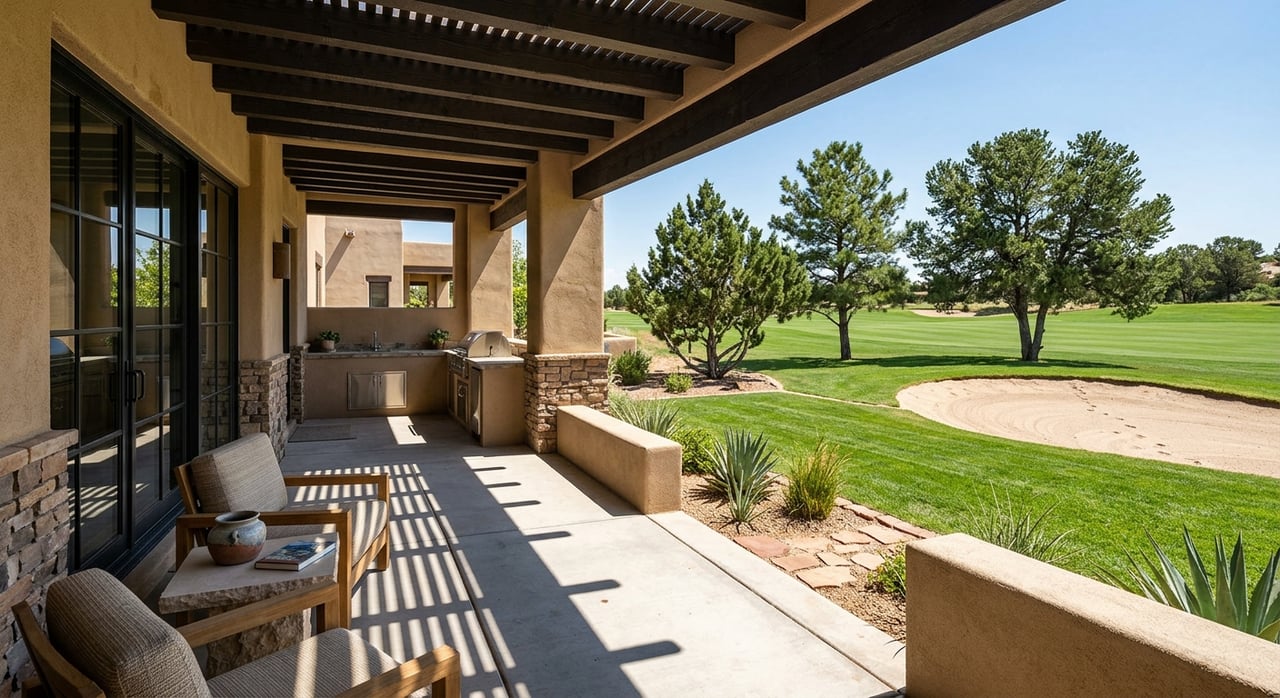
This is typically the strongest type of view premium in Sedona. A panoramic or unobstructed view usually means broad red-rock exposure from the spaces you use most, such as the living room, kitchen, primary bedroom, patio, or deck.
These views tend to be more valuable when the corridor is hard to block because of topography, nearby open space, or planning constraints. In practical terms, buyers often respond most strongly when the scenery feels expansive and lasting rather than narrow or vulnerable.
A partial view can still matter a lot, but it usually carries a smaller premium. This may mean the red rocks are visible from only part of the home, from a tighter angle, or through a more filtered corridor.
Partial views can still improve marketability and sale price. The key is that they are usually more fragile than panoramic views, both in how buyers perceive them and in how they compare against stronger-view properties.
Homes with little or no scenic exposure are not automatically less desirable, but they tend to compete on different strengths. Buyers may focus more on floor plan, finishes, yard use, privacy, or convenience instead of the scenery.
In appraisal research, non-view parcels stayed comparatively flat while view-impacted parcels captured more upside. In Sedona, that means an interior home may behave more like a conventional lifestyle property than a scenic asset.
A lot can be beautiful and still underperform if the home does not frame the view well. Orientation matters because buyers value what they can actually enjoy from the rooms they use every day.
If the primary living spaces face away from the red rocks, the slope cuts off the horizon, or the best exposure is limited to a hallway window, the market may not reward the property the way you expect. A view from the driveway or a guest room is not the same as a view from the main living area.
This is especially important for buyers looking at resale potential. The more the home connects daily living to the scenery, the more likely the market is to recognize that value.
Lot position plays a major role in view durability. Homes on higher terrain, edge lots, or parcels next to protected open space are often better positioned to preserve their corridors than interior lots surrounded by more future obstruction risk.
That does not mean every elevated lot has a better view. It means the geometry of the site and the likelihood of future blockage are part of the value conversation. In Sedona, buyers often care not only about the current view, but also about how likely it is to survive over time.
The city’s planning language adds weight to that point. Because Sedona emphasizes preserving natural landscape, ridgelines, and scenic corridors, the durability of a view can carry real market significance.
If you are buying in Sedona, do not stop at “view lot” in the listing description. You want to understand the quality of the view, where it is enjoyed from, and how protected it may be.
A smart checklist includes:
These questions matter whether you are buying a primary residence, second home, or investment property. A stronger and more durable view can support both your enjoyment today and your resale position later.
If you are selling, one of the biggest mistakes is treating the view as a flat premium. In Sedona, the market usually responds to the specific type and quality of view, not just the idea of having one.
The safest pricing strategy is to compare your home with properties that share the same view category, similar elevation, and similar obstruction risk. A panoramic edge-lot home should not be measured against a partial-view interior lot simply because both are in the same area.
This is where local market knowledge matters. In a view-sensitive market like Sedona, pricing often depends on details that broad comps can miss.
In Sedona, a view is not just visual appeal. It is a site-specific amenity shaped by topography, orientation, lot position, and the long-term durability of the view corridor.
That is why two homes with similar size and finish can command very different prices. What matters is not just whether a property has a view, but what is visible, from where it is visible, and how secure that view feels over time.
If you want help evaluating a view-driven property in Sedona, or pricing one for sale, working with a local expert can save you from oversimplifying one of the market’s most important value drivers. To talk through your options, connect with Martin de Bókay.
Get assistance in determining current property value, crafting a competitive offer, writing and negotiating a contract, and much more. Contact me today.